What Is Quishing?
How QR Code Scams Are Fooling Everyone
QR codes have become part of everyday life. We use them to view restaurant menus, pay for parking, register for events, and access information with a quick scan of our smartphones. Most of the time, they are a convenient tool that saves time and makes everyday tasks easier. Unfortunately, scammers are now using them to steal personal information, account credentials, and money. This growing type of fraud is known as “quishing,” and it is becoming increasingly common across the United States.
If you’ve never heard of quishing before, you’re not alone. They’re new and dangerous, but it’s important to understand how these scams work so you can protect yourself and your family from becoming victims.
What Is Quishing?
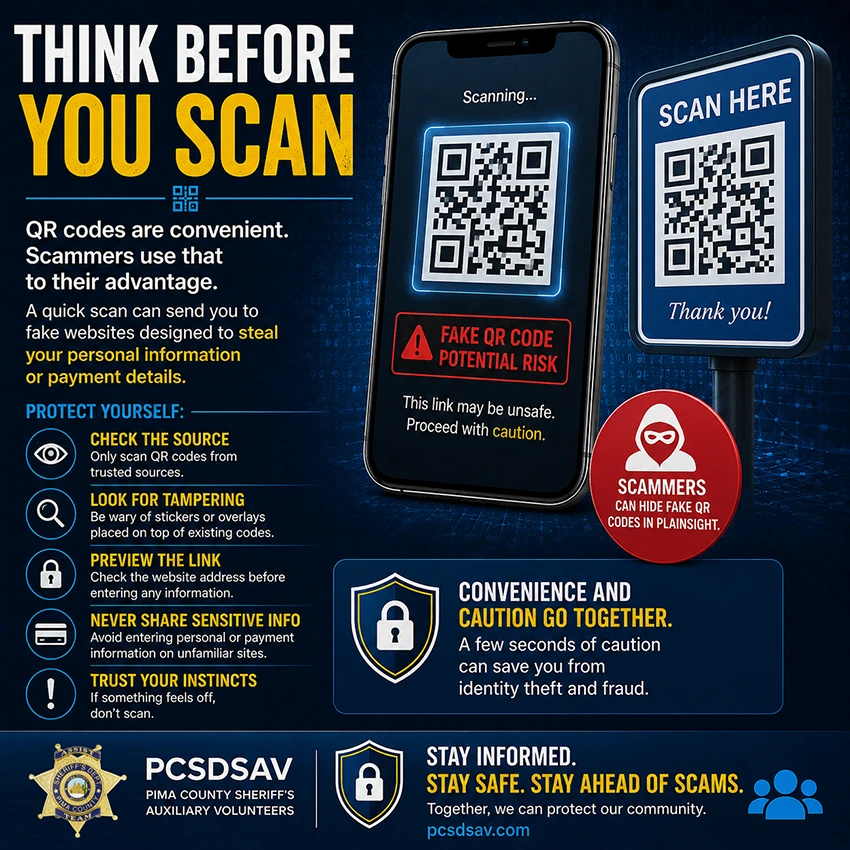
The term “quishing” combines the words QR code and phishing. While traditional phishing scams often arrive through email or text messages and attempt to trick people into clicking malicious links, quishing scams use QR codes instead.
When someone scans a fraudulent QR code, they may be directed to a fake website designed to look legitimate. The site might resemble a bank, delivery company, government agency, or payment portal. Once there, victims are often asked to enter personal information, login credentials, credit card numbers, or other sensitive details.
The challenge is that QR codes hide the destination website until after they are scanned. Unlike a standard web link, you cannot immediately see where a QR code will take you.
Why Are QR Code Scams So Effective?
Most people have learned to be cautious about suspicious emails and text messages. QR codes, however, often feel harmless.
Scammers take advantage of that trust. A QR code printed on a sign, flyer, parking meter, or email may appear legitimate at first glance. Because the code itself is simply a pattern of black and white squares, there is no obvious way to determine whether it is safe. Criminals know that many people scan first and ask questions later.
Common Quishing Scams:
Residents may encounter fraudulent QR codes in a variety of places. Some scams happen online, while others occur in public locations.
Common QR Code Scam Examples
Scam Type |
How It Works |
Potential Risk |
|---|---|---|
| Parking Payment Scam | A fake QR code is placed over a legitimate parking payment code, directing victims to a fraudulent payment site. | Financial loss |
| Package Delivery Scam | A QR code claims to help track or reschedule a package but instead steals payment or personal information. | Credit card theft |
| Banking Scam | A QR code directs users to a fake banking website that captures usernames, passwords, or other sensitive information. | Stolen login credentials |
| Utility Payment Scam | A fake utility payment notice includes a QR code urging immediate payment through a fraudulent website. | Financial fraud |
| Charity Scam | A QR code links to a fake donation page that collects money and personal information. | Lost donations and personal information |
Where Might You Encounter a Fake QR Code?
Quishing scams can appear almost anywhere. You may find them in emails claiming to be from a trusted company. Text messages may contain images of QR codes that supposedly help verify an account or claim a package delivery. Social media posts can also direct users to scan a code for special offers or giveaways.
In public spaces, scammers may place QR code stickers on parking kiosks, community bulletin boards, event signage, or promotional materials.
Tucson residents should be especially cautious when scanning QR codes at public events, festivals, parking areas, and locations where anyone could potentially place a sticker over an existing sign.
How Can You Tell If a QR Code Might Be Suspicious?
While there is no foolproof way to identify every fraudulent QR code, there are several warning signs that should prompt extra caution.
If a QR code appears to be a sticker placed over another code, that should immediately raise concern. Poor spelling, unusual formatting, or urgent demands for payment are also common red flags.
Be particularly skeptical if a QR code appears in an unexpected email or text message. If you were not expecting communication from the sender, verify the request through official channels before scanning anything.
A good rule of thumb is simple: if someone is creating pressure to act immediately, take a moment to slow down and verify what you are seeing.
What Happens If You Scan a Malicious QR Code?
Many people worry that simply scanning a QR code will instantly infect their phone. Thankfully, that’s not how quishing scams work.
Scanning a QR code usually directs users to a website where they’re asked to input usernames, passwords, payment information, or other personal details. Some malicious sites may also attempt to persuade users to download applications or grant permissions that create additional security risks.
Simply scanning a code does not automatically mean your device has been compromised, but it should prompt you to carefully evaluate any website that appears.
How Can You Protect Yourself?
The safest approach is to treat QR codes the same way you would treat links in emails or text messages. Before proceeding, take a close look at the web address displayed on your phone. Does it match the organization you expected? Is the spelling correct? Does anything seem unusual?
If you need to access a bank account, utility company, or government service, consider typing the official website address directly into your browser instead of using a QR code.
It is also wise to enable multi-factor authentication on important accounts. Even if a password is stolen, this additional layer of security can help prevent unauthorized access.
What Should You Do If You Think You’ve Been Scammed?
If you scanned a QR code and entered sensitive information, take action immediately. Change any affected passwords as soon as possible. If financial information was involved, contact your bank or credit card provider right away. Monitor your accounts closely for suspicious transactions and report any unauthorized activity.
If you downloaded software after scanning a QR code, run a security scan on your device and remove any unfamiliar applications.
The faster you respond, the better your chances of limiting potential damage.
Stay Alert and Stay Safe
QR codes are not inherently dangerous. In fact, most QR codes are perfectly legitimate and provide a convenient way to access information quickly.
The key is remembering that a QR code is simply another path to a website. Just as you would be cautious about clicking an unfamiliar link, you should be cautious about scanning an unfamiliar code.
By taking a few extra seconds to verify where a QR code leads, Tucson residents can reduce their risk of becoming victims of fraud and help keep our community safer.
If you encounter a suspicious QR code scam or other fraud attempt, consider reporting it to local law enforcement and sharing the information with friends and family. Awareness remains one of the most effective tools we have against scammers.